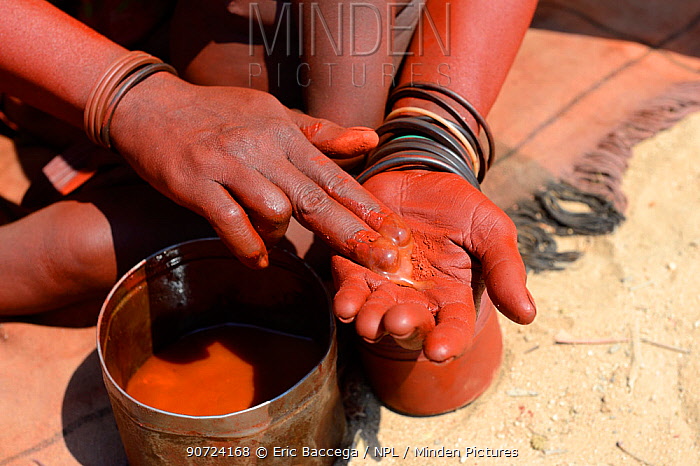
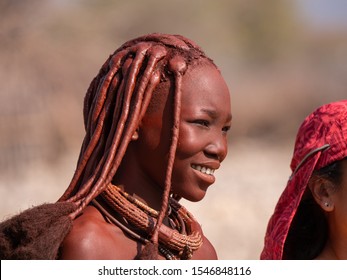
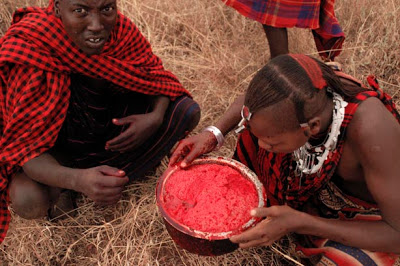
To protect their skin from the sun, the himba people of northern namibia cover themselves with a mixture of red soil and milk fat and so they appear to have a reddish skin.The ozjize mixture is considered to be a beauty cosmetic. They also use wood ash to cleanse their hair because water is scarce
Himba woman mixing red soil and milk fatHimba girl
The ndembele tribes are considered to be cousins of the Zulu and as such share linguistic similarities.The ndembele are however unique in the expression of their culture and their beliefs.
In traditional ndembele society, illness is believed to be caused by spells or curses.They are considered to be an external force inflicted on an individual and the traditional healer called sugoma is required to battle with those forces using medicine like herbs or throwing bones.All izangoma(men and women)are able to comune with the ancestral spirits.However it is their ability to defeat illness that defines their success or failure.
Both boys and girls go through initiation rites and initiation schools are held every four years.When dembele boys are are about 18years old they are grouped into a regiment or indaga .The regiment is given a name that comes from a cycle of 13 to 15 names depending on the tribe.
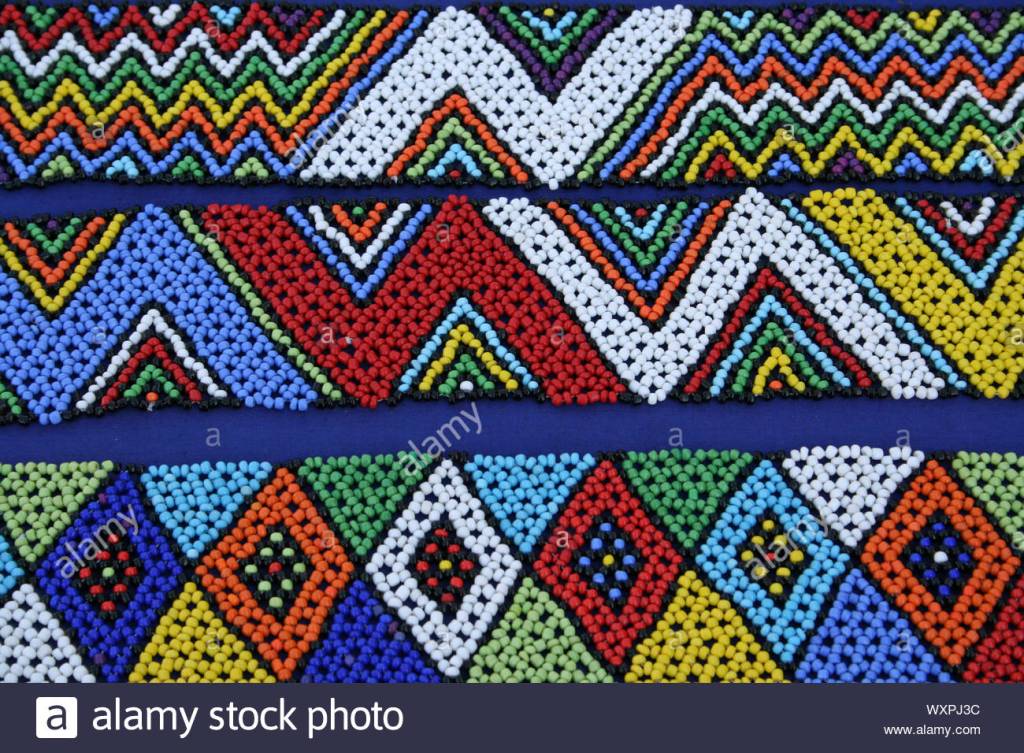
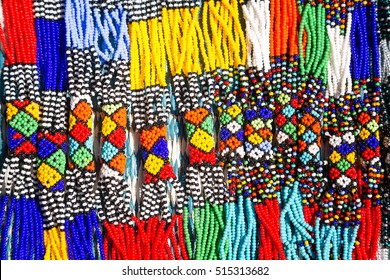
Ndembele African beadwork
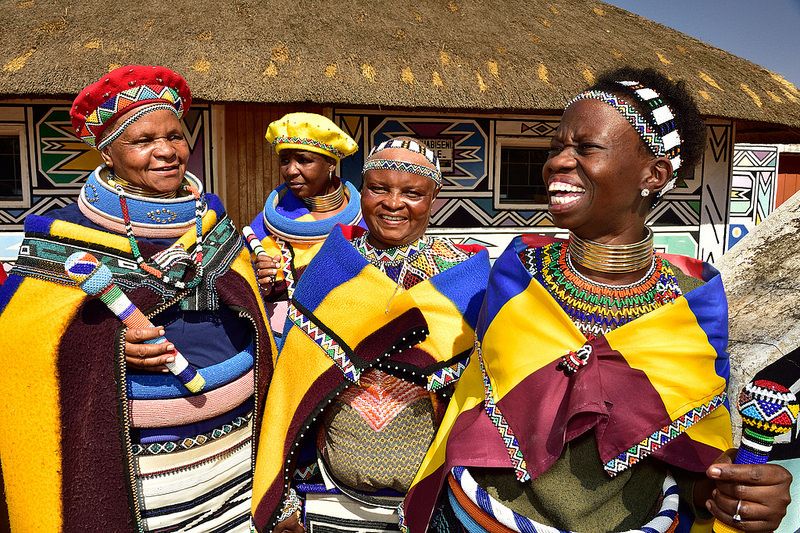
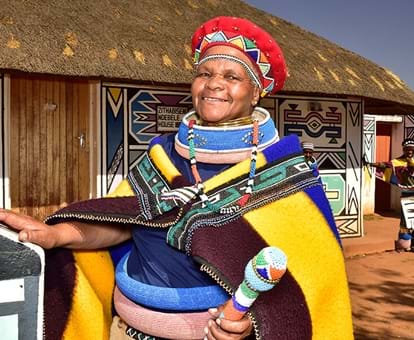
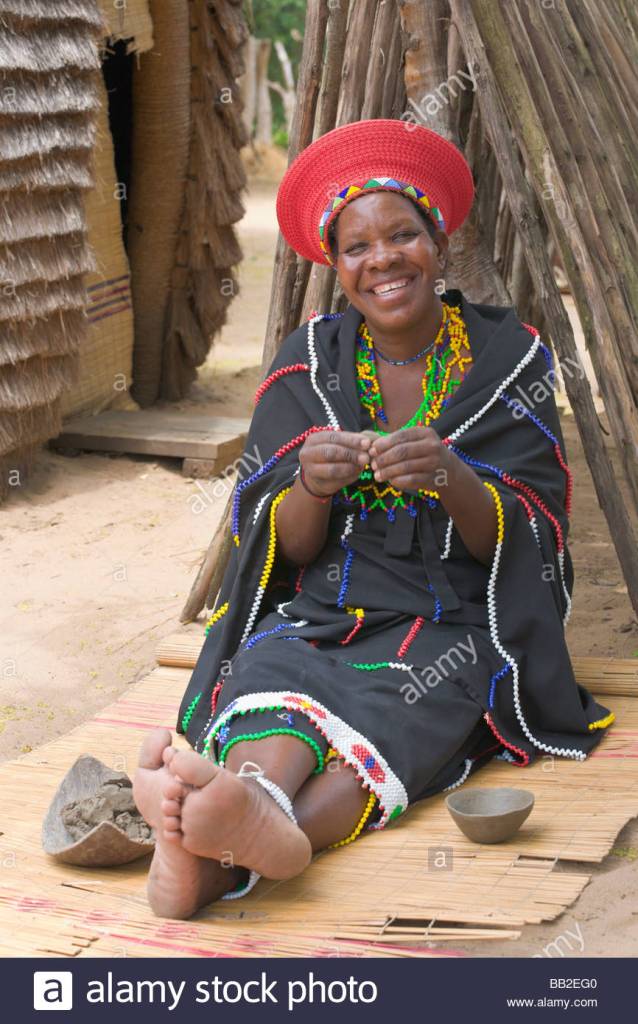
For their initiation rites, ndembele girls must wear an array of colorful beaded hoops or izigolwan around their limbs, waist and neck.They are kept in isolation and taught how to become matriarchs and homemakers.To celebrate their ‘coming out’, the izigolwan are traded for hard leather aprons called amaphephetu.
Ndembele tribal woman
To emphasize the importance of this occasion,relatives and friends gather during the initiation period.They take part in activities and celebrations that make this important event which symbolises transition of a person from childhood to adulthood.
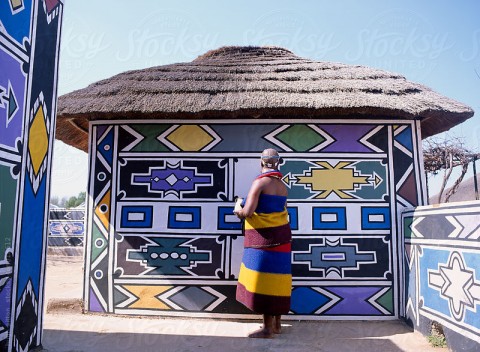
While the ndembele traditions of shamanism and initiation are interesting, what really makes them apart is their unique artistic style.women are responsible for decorating the homestead and often the facade and sides of the buildings are brightly painted with striking geometric patterns filled with color.
The samburu tribe from northern central kenya are pastoralists from the great plains of the samburu they are closely related to the maasai of kenya and they are said to have migrated from the Nile region of south Africa.The samburu people speak a dialet of the maa which they share with maasai.
The samburu are pastoralists and they primarily raise cattle but also keep other livestock like goats, sheep and even camels.Because of the arid environment that they inhabit, this African tribe is traditionally nomadic.
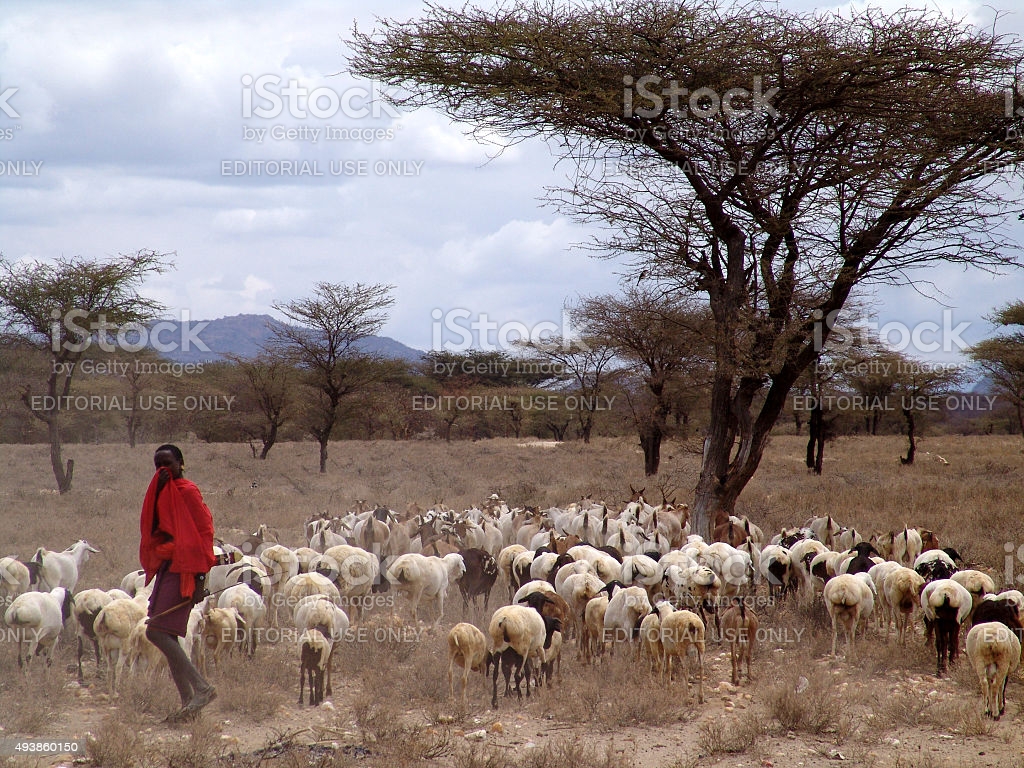
Samburu boy herding goats and sheep
The samburu diet, like the maasai consist of milk and animal blood, while eating is reserved for special occasions.
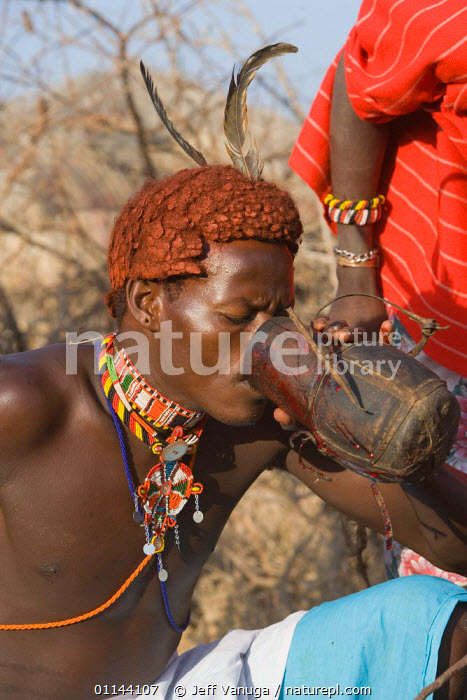
Samburu man drinking blood from cow
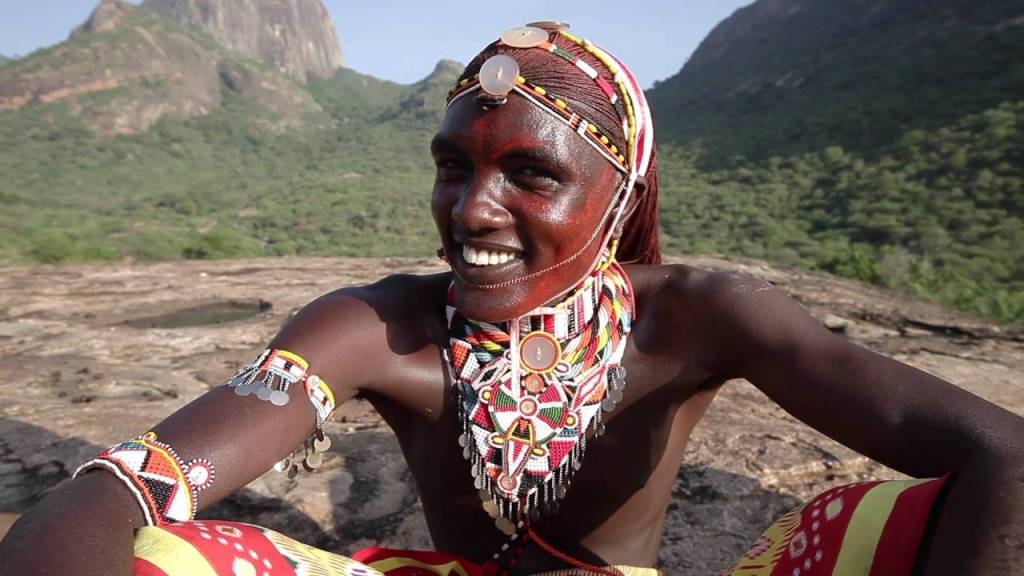
The samburu are renown for their colorful clothing and their unique social structure.The men wear pink or black cloth in a manner similar to the Scottish kilt and adorn themselves with bracelets, anklets and necklaces.The worrior age-group or moran is to wear their hair in long braids.The women in the other end keep their heads shaven and wear two clothes ,one around the waist and then other around the chest.
Samburu worrior
What sets the samburu free is their social structure that is governed strictly by the elders who make all the decisions.The leaders are the eldest members of the society and they have the final say in all matters.
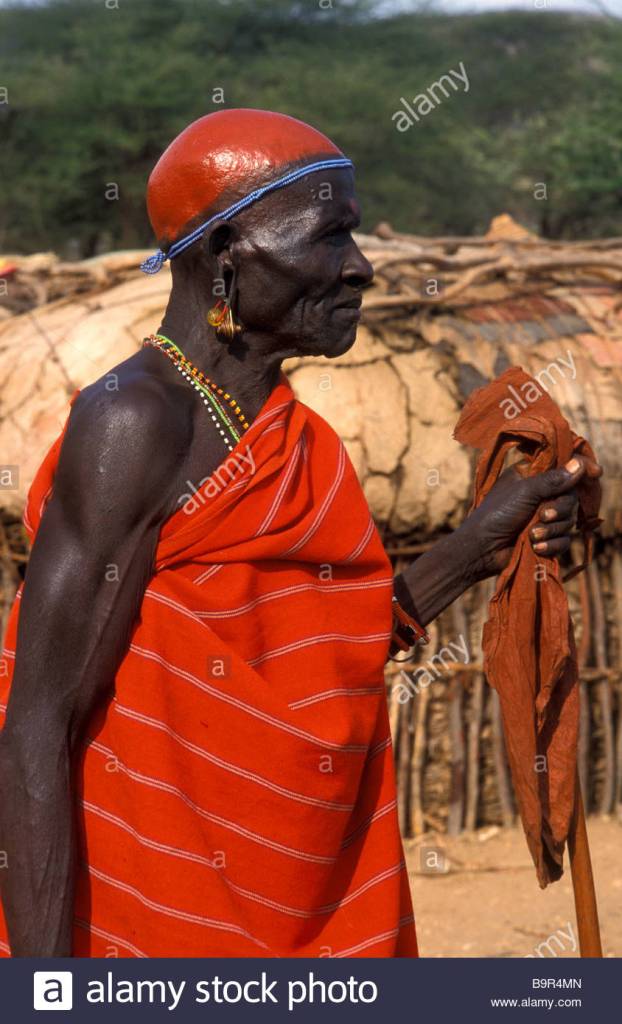
Samburu elder
The ultimate source of power for the deeply religious African tribe samburu is their God,Nakai.
The Zulu people are the largest ethnic group in south Africa.The Zulu rose up into a fordimable empire under the leadership of shaka in the early 19th century.
The Zulus today are modern and progressive.While traditional clothing is reserved for special occasions, the Zulu retain strong connections with their ancestral and historical rites.As the Zulu people are said to be warm and hospitable, it is to them that we owe the concept of Ubuntu states that we are people, not because of our individuality but by virtue of our connections to other people thus underlying the importance of relationships.
Zulu traditional clothes
While the Zulu people are predominantly christians they have retained their belief in their supreme being,unkulukulu who is the creator of all life.while unkulukulu is remote and detached,all fortune, misfortune, good or bad luck are attributed to ancestral spirits,amadlozi
The Zulu are also renowned for their skilled craftsmanship from earthenware pottery to weaving but most notably their bright coloured beads are woven into intricate patterns that are highly decorative but also functional.The colors in the beads comes replete with the quality of life and has both positive and negative for example red is for love and passion but also represents anger and heartache, similarly, blue is the color of faithfulness and request but also of hostility and dislike.
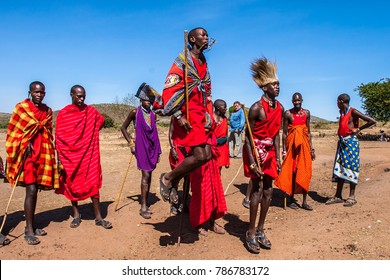
Maasai belong to the nilote group who live in Savannah land and are renown worriors and pastoralists.The maasai community have really fought to preserve their culture.some of their culture is wearing of colourful shuka, drinking blood , spitting and the jumping dance.The jumping dance called Adamu dance is performd as part of initiation rites when young men become adults.The ritual is performed to show prowess and ones fitness and it forms part of celebration when young boys become bachelors.
Famous maasai dance ‘adamu’
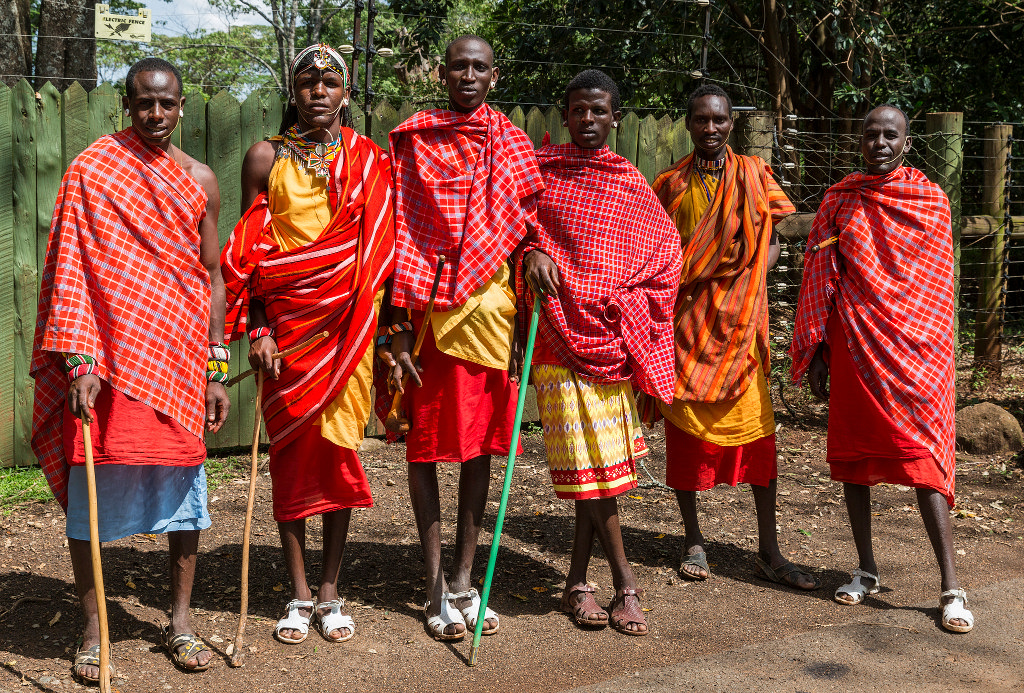
The vibrant maasai cloth is called a shuka. Red is considered to be a sacred color and it represents blood and it’s the basic color of the shuka.It also protects the maasai from wild animals. Orange is for hospitality,warmth and friendship, blue is for the sky which provides the rains for the cattle.Green is for nourishment and production and yellow is for fertility and growth.
Maasai of kenya
While in western traditions saliva is strictly private and personal in maasai culture that is considered a blessing.When shaking the hand of an elder,it is important to spit on his palm and ward off evil Spirits.
The maasai are hematophagous meaning that they drink cow’s blood for nourishment.The blood is often mixed with milk.
The borana tribe originally hails from southern Ethiopia with their language ‘borana’ falling under a broader oromo grouping; originally of an eastern Cushite family of the Afro-Asiatic language.
The borana are nomadic people who deal with harsh weather conditions; dry and hot with irregular torrential rain,are often forced to migrate in search of greener pastures for their animals.They depend on milk and it’s products for survival and will seldom slaughter animals for meat as livestock is extremely valuable to them.Milk suplimented with bread is their staple food.
Not only the borana keep their herds for food, but also as a major source of wealth and are applied for payment of dowry and legal fines.the animals are also believed to have strong linkage to their belief systems and are vital for sacrifices and rituals to guarantee fertility, wealth and assistance from spirits.
Polygamy is a rite among the borana and therefore a majority of men have at least two wives or even more. Family relations are closely knit and children are very important.The borana strictly practice segregation of duties between the men and women.men take care of herds and women stay home taking care of children and partaking day to day activities.
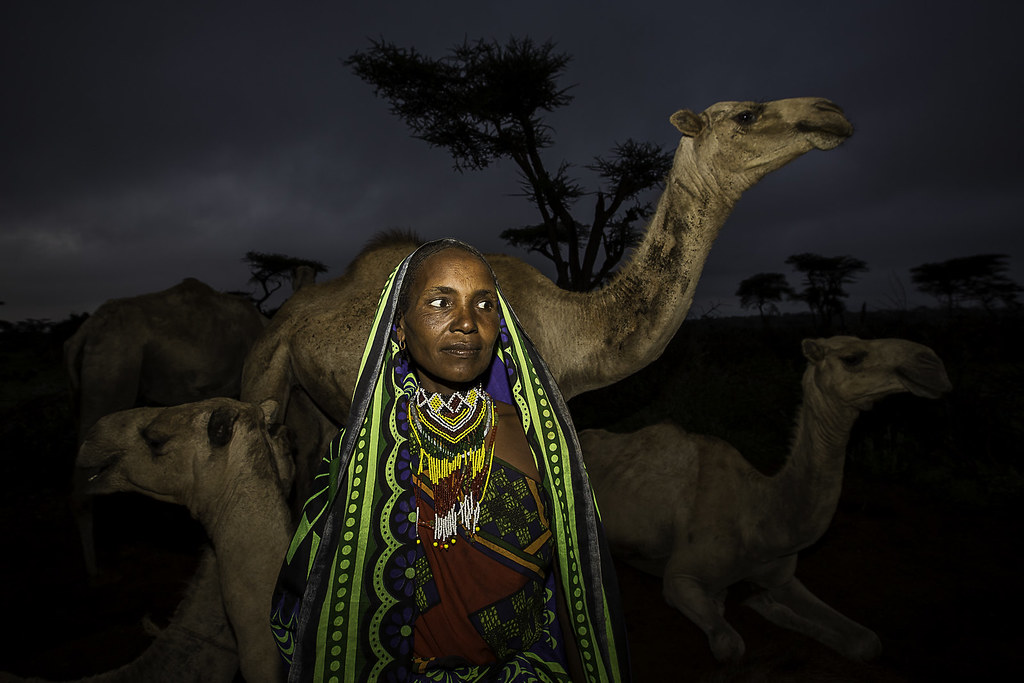
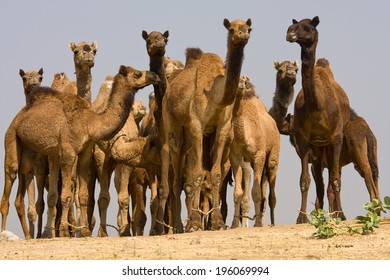
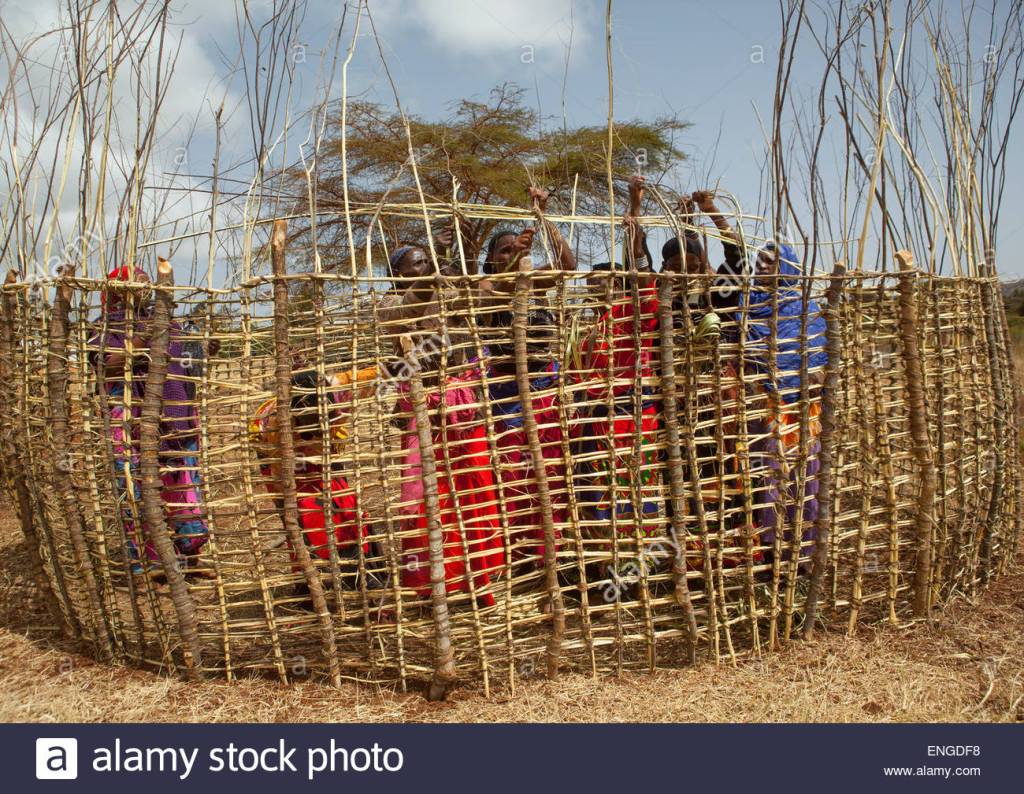
Borana women play a mojor role in the community; to build houses, usually portable traditional round grass huts called dasse,do tea ceremonies during the opening ceremony of new houses and they have the responsibility of relocating villages from place to place by use of camels.
Borana women building a house
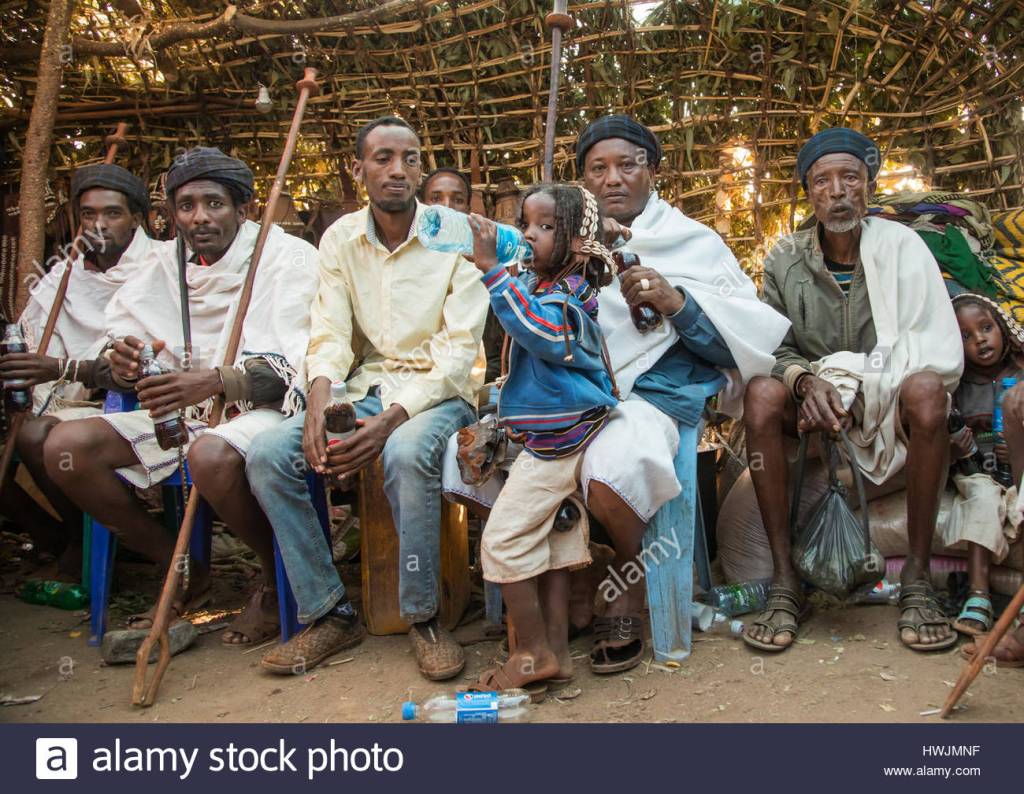
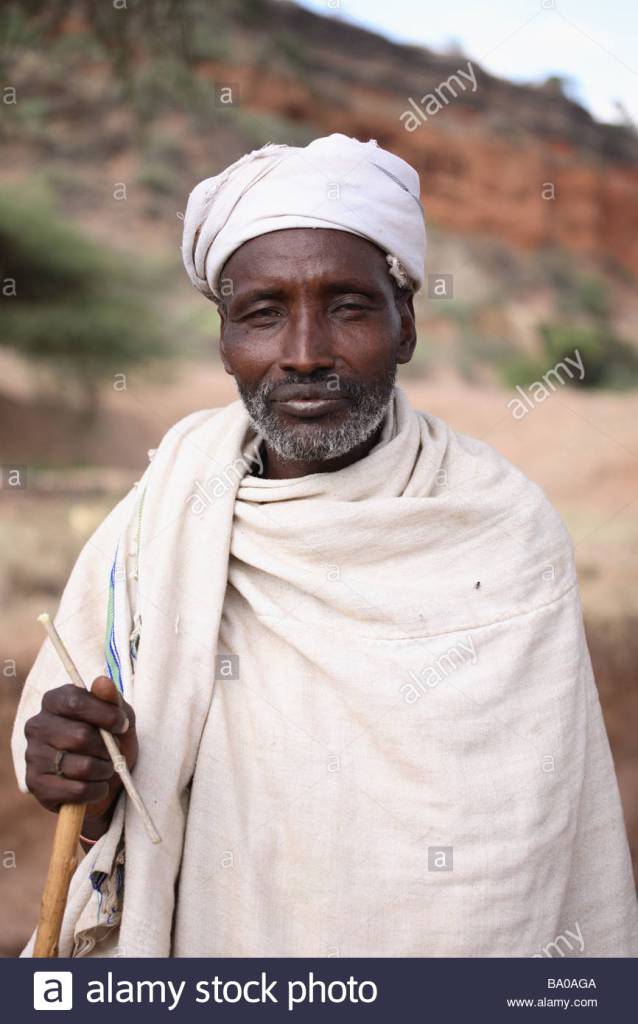
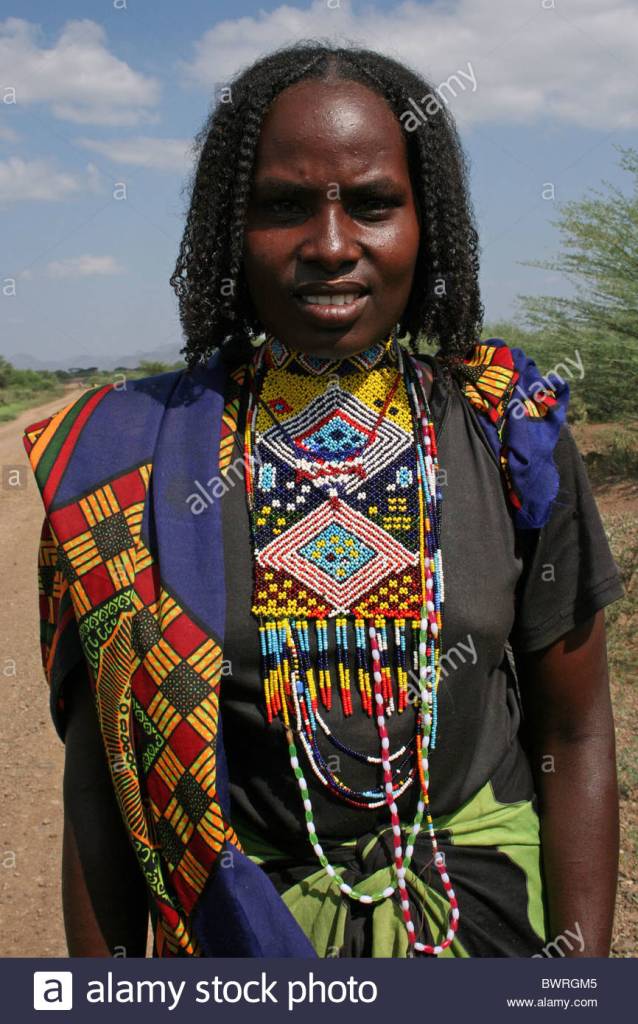
The borana cultural dress code is made up of a shawl or light blanket over-wrap.Women wear scarf head coverings while men often wear a ‘prayer beanie’ cap or turban.
The borana people are very artistic and produce beautiful cultural things that can be gotten as souvenirs; from beaded leather jackets to prettily designed jewelry.

 African culture