The borana tribe originally hails from southern Ethiopia with their language ‘borana’ falling under a broader oromo grouping; originally of an eastern Cushite family of the Afro-Asiatic language.
The borana are nomadic people who deal with harsh weather conditions; dry and hot with irregular torrential rain,are often forced to migrate in search of greener pastures for their animals.They depend on milk and it’s products for survival and will seldom slaughter animals for meat as livestock is extremely valuable to them.Milk suplimented with bread is their staple food.
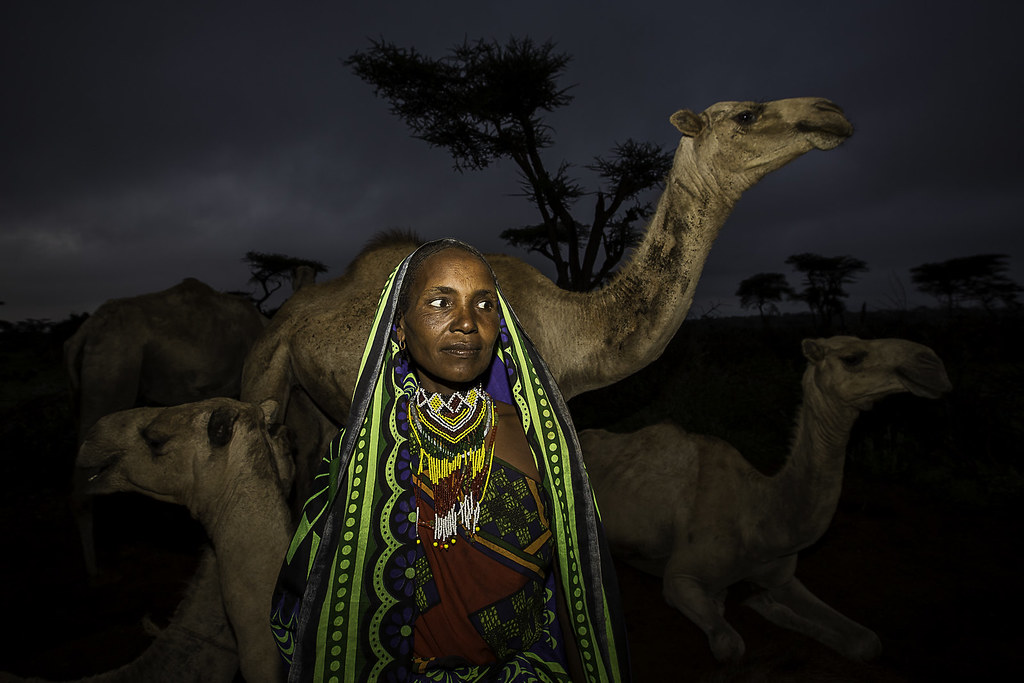
Not only the borana keep their herds for food, but also as a major source of wealth and are applied for payment of dowry and legal fines.the animals are also believed to have strong linkage to their belief systems and are vital for sacrifices and rituals to guarantee fertility, wealth and assistance from spirits.
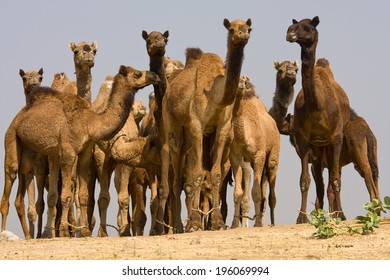
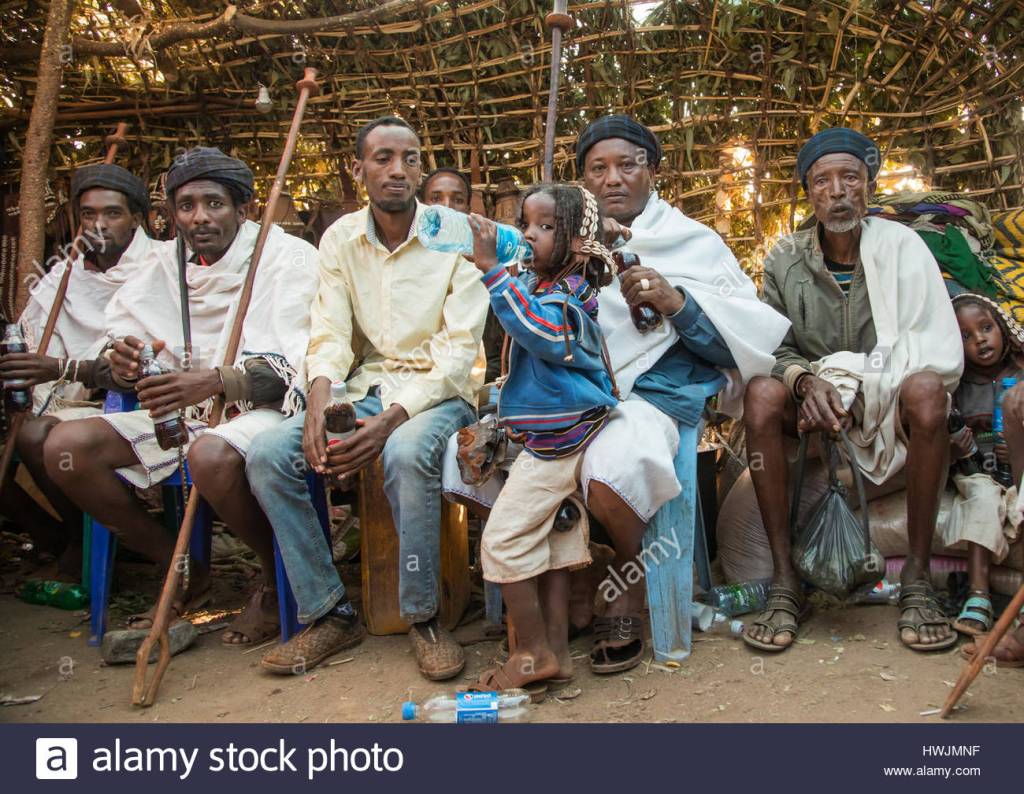
Polygamy is a rite among the borana and therefore a majority of men have at least two wives or even more. Family relations are closely knit and children are very important.The borana strictly practice segregation of duties between the men and women.men take care of herds and women stay home taking care of children and partaking day to day activities.
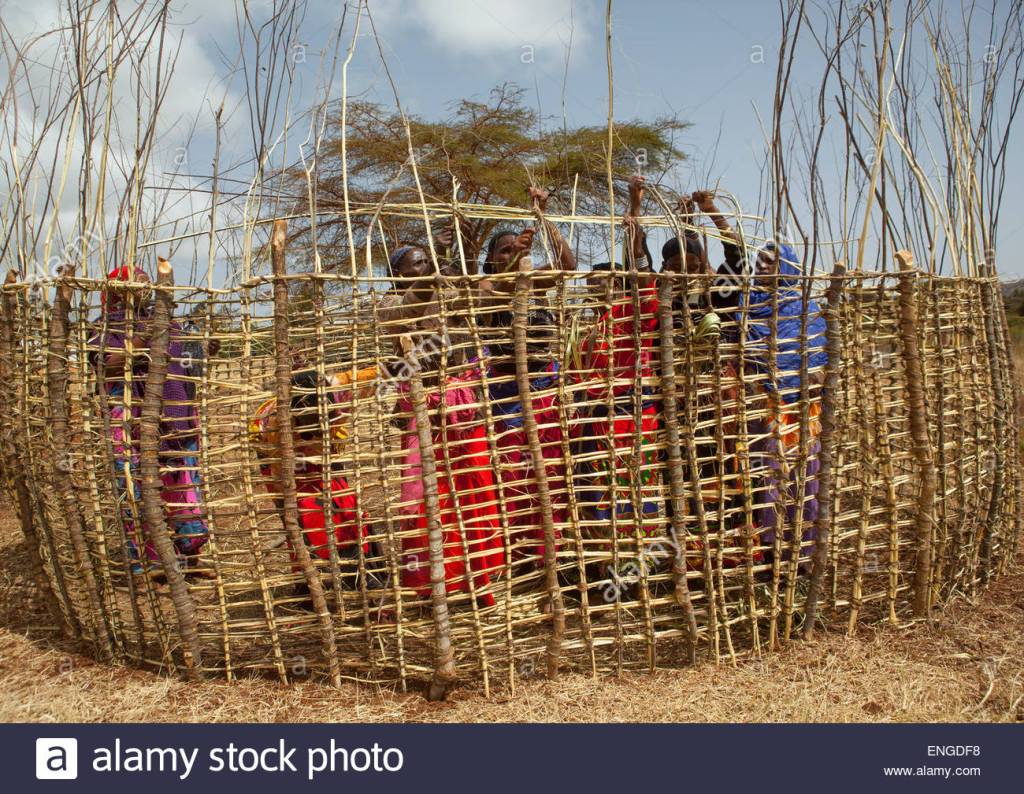
Borana women play a mojor role in the community; to build houses, usually portable traditional round grass huts called dasse,do tea ceremonies during the opening ceremony of new houses and they have the responsibility of relocating villages from place to place by use of camels.
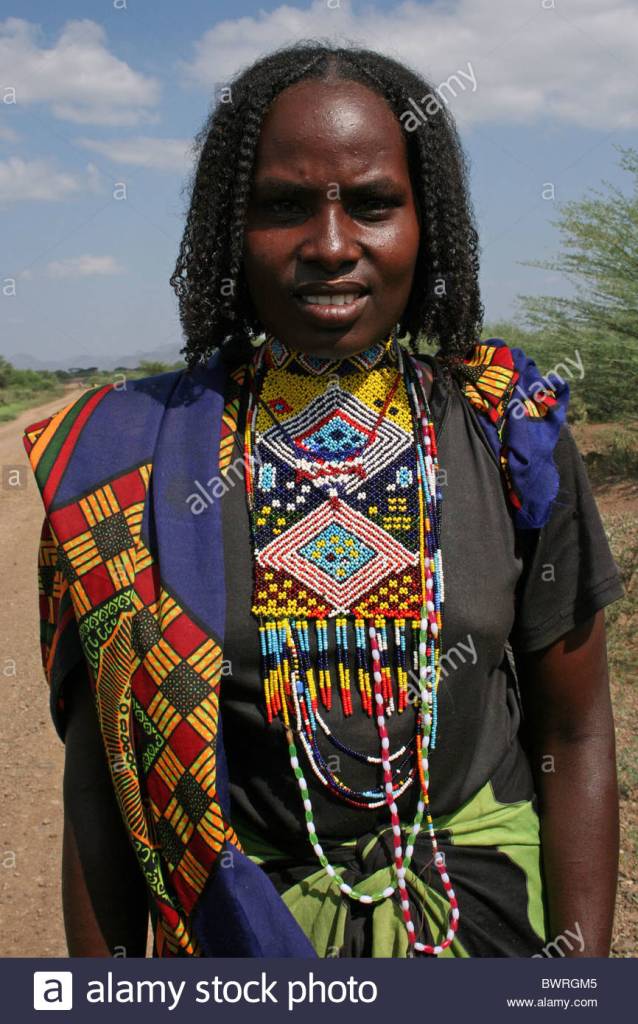
The borana cultural dress code is made up of a shawl or light blanket over-wrap.Women wear scarf head coverings while men often wear a ‘prayer beanie’ cap or turban.
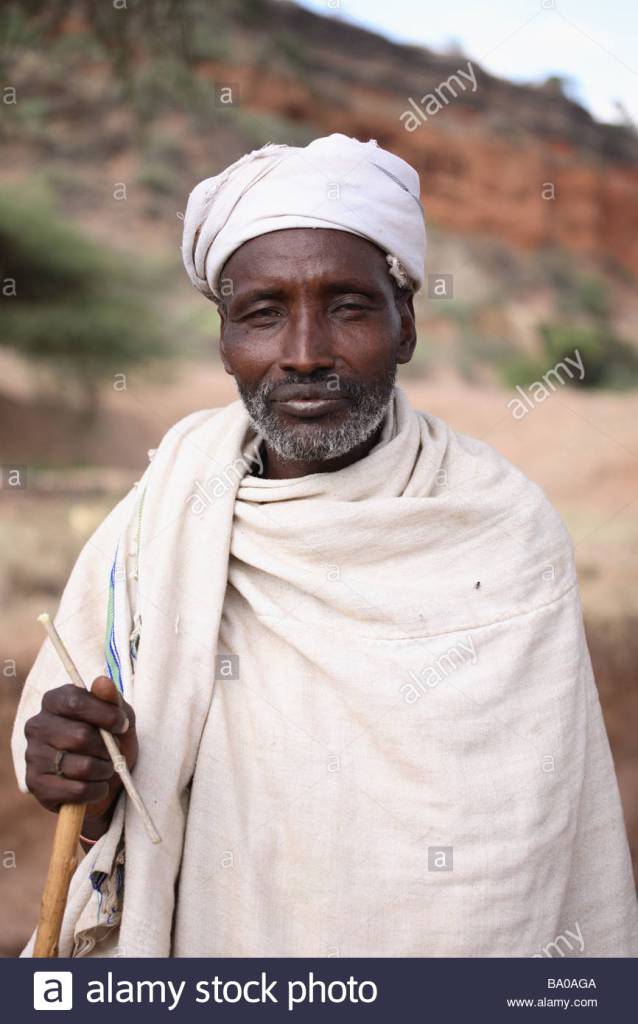
The borana people are very artistic and produce beautiful cultural things that can be gotten as souvenirs; from beaded leather jackets to prettily designed jewelry.
 African culture